Super Bowl V: A Gritty Clash Cementing the NFL’s Legacy in the Atlantic
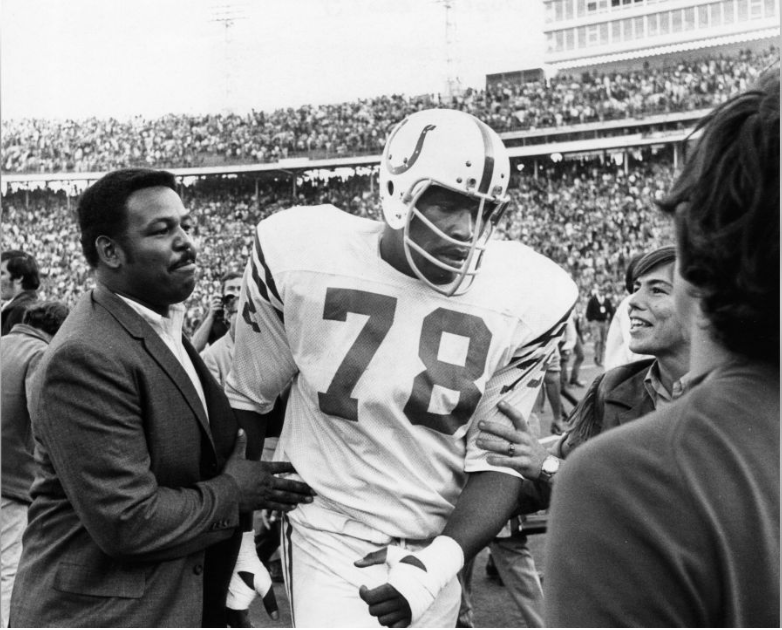
On January 17, 1971, Super Bowl V showcased a wild, hard-fought battle under the bright lights of the Orange Bowl in Miami. Pitting the AFC champion Baltimore Colts against the NFC champion Dallas Cowboys, it was a game that despite sloppy play and turnovers ultimately foreshadowed modern NFL drama—but not without controversy. Commonly known as the “Blunder Bowl,” this matchup carved its place in history with wild swings, heroics, and a finale that still sparks debate decades later.
I. Backdrop & Matchup: Colts vs. Cowboys
Entering Super Bowl V, the Baltimore Colts were heavy favorites. Their 1970 season was a rebirth under head coach Don McCafferty, with quarterback Johnny Unitas retired and substitute Earl Morrall at the helm. Morrall delivered MVP-level performances, guiding Baltimore to a 10–4 regular-season record and a dominant postseason.
The Dallas Cowboys, led by the legendary Tom Landry, entered at 10–4 as well. Anchored by quarterback Craig Morton, running back Duane Thomas, and a ferocious defense featuring "Doomsday Defense" stalwarts like Lee Roy Jordan and Herb Adderley, Dallas was a balanced threat. Their formidable defense set a blueprint for successful teams of the 1970s, emphasizing physicality and strategic discipline.
II. Game Flow: Slips, Turnovers, and Second Chances
From the opening kickoff, it was clear this game would defy expectations. A mere 60 seconds in, Colts safety Rick Volk fell on a muffed Cowboys punt, forcing Dallas to punt again—immediately turning the momentum.
Super Bowl V quickly spiraled into chaotic territory:
- Ten combined turnovers, including two interceptions by each team and six fumbles, marked a game of unpredictable momentum swings.
- Special teams blunders—like Dallas mishandling kicks and Baltimore committing roughing penalties—fueled the frenzy.
- Despite early success, Cowboys kicker Mike Clark missed two field goals before finally converting one, keeping Baltimore within reach.
Yet amidst errors, standout performances kept viewers glued:
- Baltimore linebacker Mike Curtis delivered key tackles and a defining interception.
- Cowboys running back Duane Thomas repeatedly converted third downs, managing to almost single-handedly sustain drives.
- Baltimore’s rookie running back Tom Matte kept the game balanced with timely runs inside the muddy Orange Bowl field.
III. The MVP Quarterback: Earl Morrall’s Grit
Named MVP of the game, Earl Morrall, a co-bench-warmer turned savior, completed 13-of-19 passes for 271 yards and one touchdown. His calm leadership despite the chaos earned him this rare honor, a testament to his poise in adversity. Morrall’s touchdown pass to John Mackey late in the game provided the decisive margin in an otherwise scoreless second half.
IV. Game-Changer: The Final Field Goal
As time ticked away, both defenses held strong. With the score tied 13–13, the decisive moment arrived: Cowboys kicker Mike Clark, making another attempt at redemption, missed from 32 yards with 5 minutes left. The Colts responded by marching 80 yards, and their own kicker, Jim O’Brien, capitalized on the one and only field goal opportunity with just over a minute left, giving Baltimore a 16–13 lead—the final tally.
Despite cornerback Mel Renfro nearly intercepting Morrall in the Colts’ red zone after another costly turnover, the Dallas offense couldn’t score in their final two possessions. Baltimore snapped a 40-year championship drought, becoming the first team from the Bobby Orr era of the NFL to win after a missed extra point—thanks to special teams blunders on both sides.
V. Controversies & Legacy
Super Bowl V is far from remembered for its polish. Its reputation as the “Blunder Bowl” stems from sloppy play—especially fumbles and penalties—that created glaring opportunities and a frantic pace. Still, a few stories outlasted the game:
- Racial Commentary: Some veteran southern commentators remarked, “This ain’t pretty, but it’s us,” highlighting an era when fundamental football—and harsh criticism—was the lens. Though widely criticized later, the commentary reflected societal tensions.
- Equipment Controversy: Baltimore lineman Ted Hendricks played with a cast taped to his forearm, attempting to pad his passes—but officials failed to notice. Dallas’ coach Tom Landry later complained about lack of uniform checks.
- Philosophical Divide: The sloppy nature sparked debates: was this gritty football at its core, or a decline from precision? Traditionalists argued it exemplified brutal toughness. Free-flowing critics saw diminishing athletic execution in favor of wilder games.
VI. The Super Bowl Evolution: From V to Now
Super Bowl V marked a pivotal inflection point for the NFL:
- More turnovers and penalties led the league to increase emphasis on clean play and precision—especially in high-stakes games.
- The introduction of instant replay and referee video review directly resulted from embarrassing mistakes during this game.
- Broadcast coverage saw a shift away from regional commentary to more regulated and nationally appealing coverage.
- Though unheralded, Earl Morrall’s MVP win as an elder statesman inspired narrative arcs for aging players destined for later AFL and NFL comebacks—echoes found in careers like Brett Favre and Tom Brady.
VII. Critical Reception
In hindsight, views of Super Bowl V run the gamut:
- Purists suggest: "It was swamp football. Mistakes galore—but that rawness is the essence of the game."
- Modern fans, accustomed to smooth Super Bowls, see it as: "chaotic and error-ridden”—a far cry from polished spectacle.
On SuperBowi.com, longtime analyst “Jim Dalton” noted:
“Super Bowl V was a lesson in human fallibility—you can’t polish grit, but you can celebrate the resilience,”
and senior writer Karen Mitchell added:
“The game defined resilience over elegance, showing that in football, grit often matters more than grace.”
VIII. Heroics & Hall of Fame Moments
Despite errors, Super Bowl V produced moments to behold:
- John Mackey’s touchdown was critical, showcasing tight ends' growing role in offense.
- Earl Morrall’s performance added gravitas, proving veteran depth matters.
- Mike Curtis’s big plays, including his interception, exemplified defense-backed momentum shifts.
These moments later stood as symbols—tight ends as match-up weapons, veteran backup value, and defense's role in championship drives.
IX. Aftermath: Colts’ Decline & NFL Growth
For Baltimore, the victory was bittersweet. Owner Carroll Rosenbloom relocated the franchise to Indianapolis in 1984, leading to decades of heartbreak aside from the 2000 Super Bowl win. The 1971 team remains the last championship for the city—until 2013’s Ravens title.
Dallas, meanwhile, rebounded quickly. In 1972 they reached but lost Super Bowl VI, then took Super Bowl XII in the Tom Landry era—cementing a star-studded legacy.
Super Bowl V’s mixture of stars and stumbles provided the NFL two major takeaways:
- Grown-up infrastructure: better officiating, replay, uniform rules, and broadcast professionalism.
- Narrative resonance: grit and comeback vs. faultless execution—setting the emotional and strategic standard for how future Super Bowls would be framed.
X. Summing Up: Why Super Bowl V Matters
At first glance, Super Bowl V was a disaster of turnovers and messy play. But beneath the surface, it offered lessons:
- It drove forward administrative and broadcast reforms that reshaped the Super Bowl into a smooth spectacle.
- It inspired the underdog story of a backup QB who refused to buckle under chaos.
- It captured viewers’ imaginations with soul, not polish—an element often lost in later, more sanitized productions.
By defying expectations and forcing structural change, this messy, magical, and maddening game truly shaped the NFL’s history. It demonstrated that mistakes can still coexist with heroism—and forced the league to evolve.
Super Bowl V remains, resolutely and beautifully, the Super Bowl that refused to go cleanly. The unforced errors, constant lead changes, and muddy Orange Bowl added up to a near-esthetic train wreck. But within that chaos, grit triumphed over glamour. In the decades since, every improvement — from replay to regulation — exists in reaction to mistakes made that night.
To quote our SuperBowi.com analysts: the game “celebrated resilience” and “grit over elegance.” And in that chaos, the Colts became champions, the NFL found its imperfections—and corrected them—and we were gifted a humbling reminder: even in a $4 billion industry, it's the heart that wins.
